“Natural killer” cells against colorectal cancer
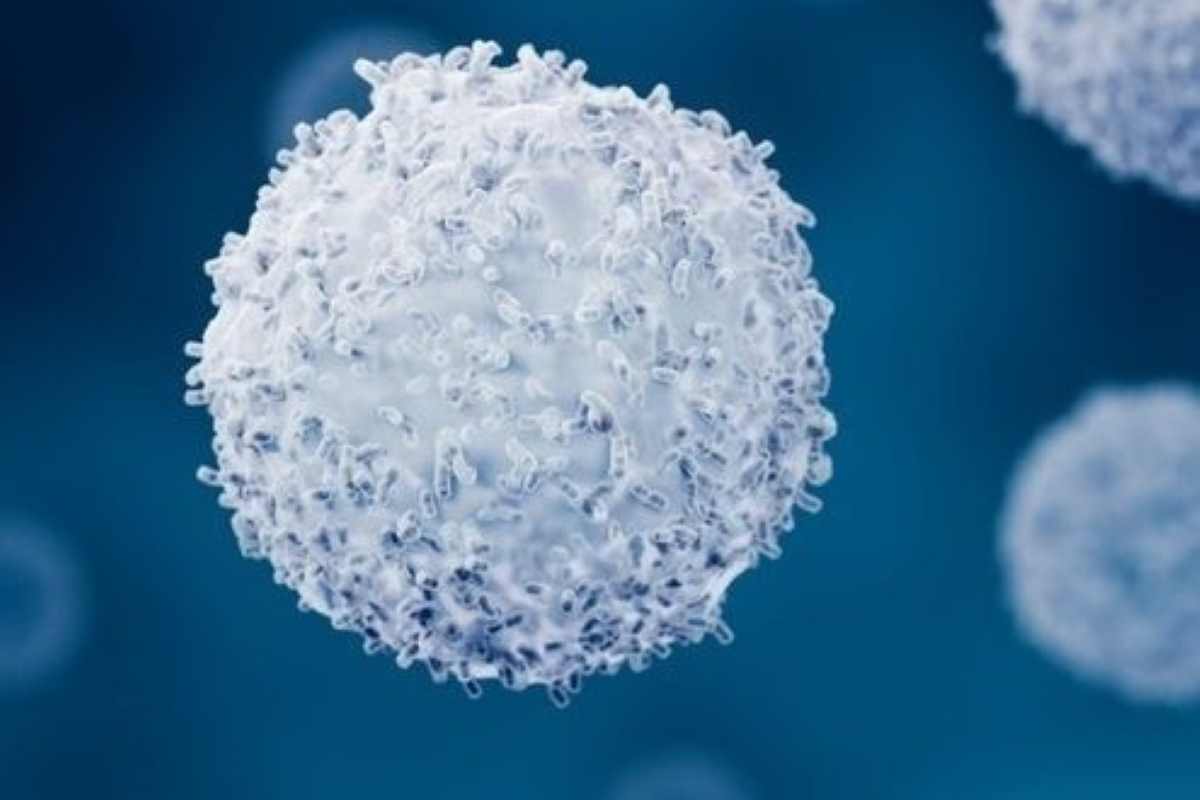
Today it is possible to make so-called “Natural Killer” (NK) cells “smarter” in recognizing colorectal cancer and selectively attacking it, sparing healthy tissue and avoiding the occurrence of serious side effects. By adding a receptor called CAR (“Chimaeric antigen receptor”) directed against a target exposed by cancer cells, NK cells may be able to lift the “cloak of invisibility” behind which cancer cells are able to hide and protect themselves.
Demonstrating the potential of this new approach against colorectal cancer, a cancer that affected about 48 thousand people in Italy in 2024, are two studies carried out by researchers at the Candiolo Institute, one published in “Molecular Therapy” and another being published in the “Journal of Translational Medicine.” Both works were conducted as part of the Alliance Against Cancer’s national CAR-T project.
“NKs are a particular type of immune cells, which patrol the body and when they detect a cancerous cell they attack and destroy it, preventing tumor growth,” explained Professor Enzo Medico, Director of the Laboratory of Oncogenomics at IRCCS in Candiolo. “Sometimes, however, cancer cells find a way to escape these sentinels: they become ‘invisible’ and create an unfavorable environment for the NKs, thus preventing them from recognizing and destroying them. Thanks to these countermeasures, the tumor is able to develop and evolve, with the consequences we all know.”
The two new studies describe two different ways to target NK cells against colorectal cancers. In both experimental works, the cells were “armed” with a CAR receptor capable of recognizing and attacking only colorectal cancer cells.
“The application perspective, in the hopefully not-too-distant future, is to infuse such modified NK cells into patients whose colon cancer has both targets at high levels,” Professor Medico concludes. “The next steps will be to make them even more potent without them losing selectivity, so that the gap between laboratory models and the patient’s bedside can be progressively bridged.