Principal Investigator

Staff
Research topic
Cancer stem cells as drivers of therapeutic resistance and metastasis.
Background
Like normal tissues, many tumor types are structured according to a hierarchy that includes two main components. At the apex of this hierarchy is a small subpopulation of cancer stem cells (CSCs), capable of self-renewal—endlessly propagating and supporting tumor histogenesis, regeneration, and metastatic spread. At the base of the hierarchy lies a larger subpopulation of cells that, unlike CSCs, have limited propagation ability and tend to aberrantly differentiate and die.
This model implies that, to achieve a cure or durable remission, and to counteract metastasis, CSCs must be eradicated. This goal is challenging, as CSCs are often inherently resistant to therapies that are otherwise effective against the bulk of non-stem tumor cells, including advanced agents that target the genetic alterations driving cancer pathogenesis. Moreover, CSCs represent elusive targets: they are not only rare, but also dynamic, exhibiting molecular heterogeneity and plasticity within the same tumor, along with the capacity to adapt and evolve under microenvironmental pressures, including therapeutic interventions.
Our research aims to define the molecular mechanisms by which CSCs drive therapeutic resistance and metastatic progression in a range of malignancies. By integrating comprehensive genomic, transcriptomic and epigenomic profiling with advanced preclinical models, we seek to uncover actionable vulnerabilities and inform the development of targeted strategies that improve cancer diagnosis, treatment, and patient outcomes.
Research achievements
We established and extensively characterized an integrated preclinical platform centered on CSCs, enabling investigations across multiple tumor types, including glioblastoma, metastatic colorectal cancer, and cancers of unknown primary origin (CUP). This platform includes over 200 CSC-enriched 3D cultures (neurospheres, colospheres and agnospheres), paired tumor tissues from clinically annotated cases, and complementary experimental models derived from CSCs.
Through this system, we identified key molecular drivers of CSC-mediated therapeutic resistance and metastatic behavior. Among these, the MET oncogene emerged as a central regulator, sustaining adaptive responses to genotoxic stress and contributing to resistance mechanisms that intensify in CSCs from recurrent tumors. Inhibition of MET was shown to enhance radiosensitivity in glioblastoma and rectal cancer. We also uncovered that the ERBB3 oncogene is a driver of oncogene addiction and a potential target in a glioblastoma subset, and we explored the cooperative role of MET and the EGFR family in driving invasive growth in colorectal CSCs. In CUP, an enigmatic malignancy featuring widespread metastases and poorly differentiated tumor features, we established the first preclinical model derived from CSCs and demonstrated a close association between stem-like traits and aggressive, treatment-resistant metastatic traits. This model uncovered common CUP-specific features such as proliferative autonomy and sensitivity to MEK/MYC axis inhibition.
Our work further revealed that CSCs within individual tumors, particularly glioblastoma, exhibit significant genetic, transcriptional, and phenotypic diversity, deepening our understanding of the mechanisms underlying intratumor heterogeneity, plasticity and therapeutic failure.
Additionally, by leveraging CSC and tumor genomic data, we contributed to the development of targeted liquid biopsy strategies for glioma diagnosis using cerebrospinal fluid.
Conclusions and perspectives
Extensive CSC characterization enabled the identification of key signaling networks that underpin therapeutic resistance and metastatic potential across a range of malignancies. These insights provide a foundation for therapeutic strategies based on predictive biomarkers and inform the design of clinical trials aimed at overcoming resistance mechanisms and improving patient stratification.
In glioblastoma, building on insights into CSC intratumor heterogeneity, we seek to comprehensively decipher the complex landscape of molecular mechanisms driving resistance to standard therapy. This effort integrates comprehensive profiling with a focused investigation of receptor tyrosine kinase signaling, DNA damage response pathways, and apoptotic susceptibility, supported by advanced 3D models that incorporate CSCs from primary and recurrent tumors into brain-mimicking microenvironments. The overarching objective is to generate robust preclinical evidence for interventions capable of intercepting the escalation of resistance during tumor progression.
In CUP, ongoing research is directed toward uncovering the mechanisms that lock cells in early stem-like and highly metastatic states, with emphasis on embryonic stem cell transcriptional programs and their upstream regulatory circuits. Mechanisms linking stemness and metastasis may be causally interconnected, and their elucidation could inform the development of urgently needed therapeutic strategies for patients with CUP or advanced metastatic disease of diverse origins.
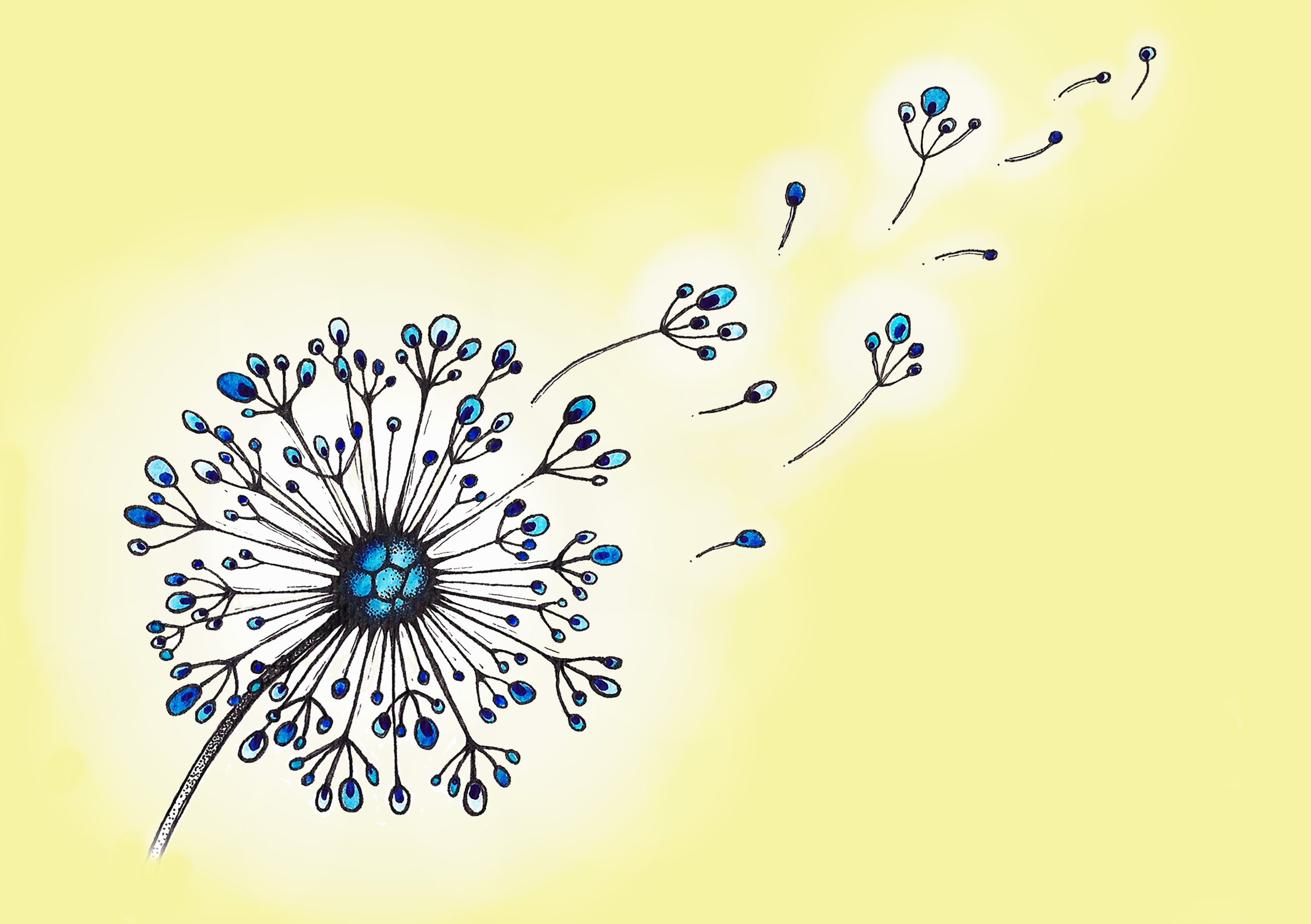
which seeds detach and disperse, often over long distances, to initiate new growth. Similarly, cancer stem cells
function as the “seeds” of the tumor, resilient and equipped to disseminate the disease.
Publications
At this link, you can find all the scientific publications of the Principal Investigator.
Relevant publications
De Bacco F, Orzan F, Crisafulli G, Prelli M, Isella C, Casanova E, Albano R, Reato G, Erriquez J, D’Ambrosio A, Panero M, Dall’Aglio C, Casorzo L, Cominelli M, Pagani F, Melcarne A, Zeppa P, Altieri R, Morra I, Cassoni P, Garbossa D, Cassisa A, Bartolini A, Pellegatta S, Comoglio PM, Finocchiaro G, Poliani PL, and Boccaccio C. (2023). Cell Rep. 42:112816. DOI: 10.1016/j.celrep.2023.112816.
Orzan F, De Bacco F, Lazzarini E, Crisafulli G, Gasparini A, Dipasquale A, Barault L, Macagno M, Persico P, Pessina F, Bono B, Giordano L, Zeppa P, Melcarne A, Cassoni P, Garbossa D, Santoro A, Comoglio PM, Indraccolo S, Simonelli M, and Boccaccio C. (2023). Clin Cancer Res. 29:1252-1266. DOI: 10.1158/1078-0432.CCR-22-2903.
Verginelli F, Pisacane A, Gambardella G, D’Ambrosio A, Candiello E, Ferrio M, Panero M, Casorzo L, Benvenuti S, Cascardi E, Senetta R, Geuna E, Ballabio A, Montemurro F, Sapino A, Comoglio PM, and Boccaccio C. (2021). Nature Commun. 12:2498. DOI: 10.1038/s41467-021-22643-w.
De Bacco F, Orzan F, Erriquez J, Casanova E, Barault L, Albano R, D’Ambrosio A, Bigatto V, Reato G, Patane M, Pollo B, Kuesters G, Dell’Aglio C, Casorzo L, Pellegatta S, Finocchiaro G, Comoglio PM, and Boccaccio C. (2021). Cell Rep. 36:109455. DOI: 10.1016/j.celrep.2021.109455.
Comoglio PM, Trusolino L, and Boccaccio C. (2018). Nat Rev Cancer 18:341-358. DOI: 10.1038/s41568-018-0002-y.