Preventing cancer: what we can do to protect our health

BY.
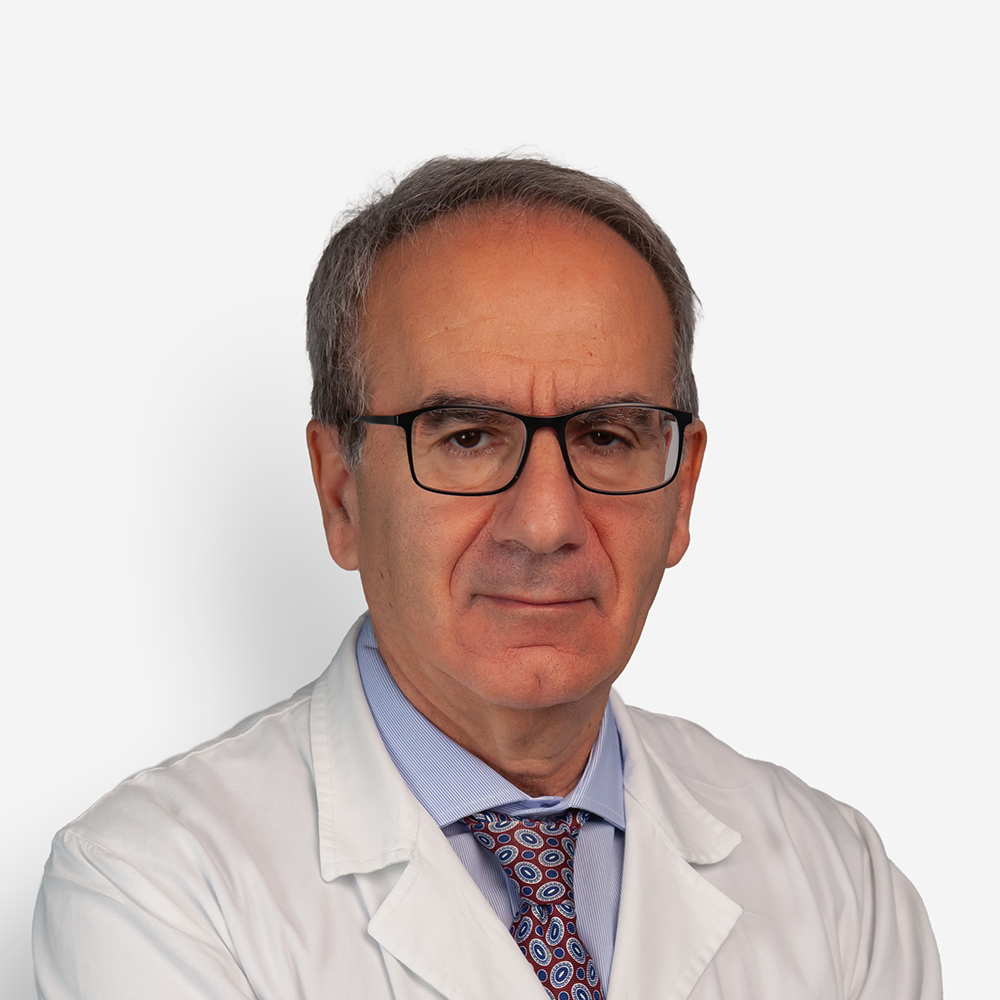
Dr.
PIERO FENU
Health Director
Today we know with certainty that the widespread adoption of effective cancer prevention strategies could result in a reduction in cancer deaths by up to 50 percent. This is a figure of enormous significance when one considers that, during 2025 alone, an estimated 170,000 deaths from oncological diseases were estimated in Italy. In this article, Dr. Piero Fenu explains what cancer prevention actually consists of, what measures we can take to reduce our risk of getting cancer, and what prospects are being studied for early detection.
What you find in this article
- Cancer prevention: primary, secondary, tertiary
- Avoidable risk factors: the role of lifestyles
- The “Health Decalogue”: 10 rules to reduce the risk of cancer
- IRCCS Candiolo’s prevention initiatives.
- The future of cancer prevention
Cancer prevention: primary, secondary, tertiary
What it means and why it is so important
Cancer prevention is divided into primary, secondary and tertiary prevention. These three strategies act at different times in the history of the disease, with the common goal of reducing the incidence of cancers, diagnosing them early, and preventing recurrence and metastasis.
How a tumor arises
The transformation of a healthy cell into a cancer (neoplastic) cell is a complex biological process. It is related to genetic, functional and morphological alterations that can be caused by:
- Random (nonhereditary) or inherited genetic mutations;
- Unhealthy lifestyles;
- infectious agents;
- environmental pollution.
Primary prevention: reducing risk factors
It is primary prevention in particular that offers the greatest scope for improvement, because it intervenes even before cancer develops by acting on modifiable risk factors.
If we examine the share of cancer deaths that could potentially be prevented by eliminating key individual risk factors-such as smoking, alcohol abuse, overweight, poor diet, and physical inactivity-very significant data emerge.
For example, it is estimated that:
- Up to80 percent of cancers of the oral cavity, larynx, and esophagus (strongly related to smoking and alcohol) could be prevented;
- a similar percentage involves lung cancers, which are closely linked to smoking habits.
In other words, a significant proportion of cancers are related to behaviors and lifestyles that can be intervened upon, even through seemingly simple daily choices.
The role of vaccination in primary prevention
Within primary prevention also falls vaccination, an often underestimated but highly effective tool. Certain viruses, in fact, are recognized as risk factors for the development of specific cancers.
This is the case, for example, with human papillomavirus (HPV), responsible for almost all cervical cancers and also involved in cancers of the anus, oropharynx and other districts, or with hepatitis B virus, which increases the risk of liver cancer.
Vaccinating means preventing infection and interrupting upstream the process that can lead to tumor transformation, even before lesions or symptoms appear.
Therefore, vaccinations are not for “discovering” a cancer, but for preventing its occurrence, fully representing one of the most effective primary prevention strategies.
Secondary prevention: cancer screenings
Of course, not all cancers can be prevented by acting on risk factors. This is where secondary prevention, based on cancer screenings, comes in.
Screening allows detection of cancers at an early stage, when they often do not yet give symptoms, or recognition of pretumoral lesions that, if treated in time, do not develop into cancer.
Thus, early diagnosis enables more effective and less invasive treatments, significantly increasing the chances of cure.
Effective cancer screening
Screenings that have been shown to reduce mortality are:
- Mammography (women 45-69 years old);
- colorectal screening (50-74 years);
- Cervical screening (women 25-64 years old).
Despite theproven effectiveness and free of charge of these programs, adherence to screening is unfortunately still far from optimal. Over the period 2020-2024, the average membership was:
- 50% for breast cancer screening, with marked territorial differences
(62 percent in the North, 51 percent in the Center, 31 percent in the South and Islands); - 33% for colorectal cancer screening
(46 percent in the North, 32 percent in the Center, 18 percent in the South and Islands); - 51% for cervical cancer screening
(62 percent in the North, 51 percent in the Center, 37 percent in the South and Islands).
These data clearly indicate that alongside the provision of screening, there is still a need to strengthen information and awareness among the population to make them understand the importance of adhering regularly to programs that can truly save lives.
Tertiary prevention: preventing recurrence and metastasis
Prevention does not end with cancer diagnosis. Tertiary prevention concerns people who have already undergone treatment and aims to reduce the risk of recurrence and metastasis while improving quality and life expectancy.
At this stage, alongside cancer therapies, they assume great importance:
- The regular clinical follow-up;
- The maintenance of healthy lifestyles;
- Adequate nutritional support.
Prevention, therefore, accompanies the person through all stages of the disease, from initial risk reduction to the course of treatment and control over time.
Avoidable risk factors: the role of lifestyles
Eliminating key individual risk factors (smoking, alcohol, overweight, sedentary lifestyle, poor diet) could be avoided:
- About 80% of cancers of the oral cavity, larynx and esophagus;
- About 80% of lung cancers, which are strongly associated with smoking.
Tobacco smoking
Smoking is involved in the development of cancers of: oral and nasal cavities, pharynx, larynx, esophagus, stomach, liver, colorectum, pancreas, kidney, bladder, ovary , and cervix.
Electronic cigarettes and heated tobacco: beware of false myths
In recent years, alongside the gradual decline in the consumption of “traditional” cigarettes, an increase in the use of electronic cigarettes (e-cigs) and heated tobacco products has been observed. This phenomenon is partly related to the spread of the false myth of their harmlessness, especially among younger people.
In fact, even these devices are not without risks, as numerous scientific studies have shown. Documented effects include:
- Development of nicotine addiction;
- Airway inflammation;
- Increased susceptibility to respiratory infections, particularly viral infections;
- Increased incidence of asthma and Chronic Obstructive Pulmonary Disease (COPD).
Regarding oncological risk, research is still ongoing, but there are real concerns related to the inhalation of potentially toxic substances in the aerosols produced by these devices.
In light of the available evidence, it is important to reiterate that e-cigarettes and heated tobacco cannot be considered safe, nor are they a solution without health consequences.
From a cancer prevention perspective, the most effective choice remains not to smoke and, for those who do smoke, to undertake structured cessation pathways.
Alcohol
Alcohol abuse increases the risk of cancers of: oral cavity, pharynx, larynx, esophagus, liver, colorectum, and breast.
Overweight and nutrition
Being overweight and a diet low in plant foods and high in sugars, red meat, processed meats, and salty foods are associated with many cancers, particularly: colorectal, endometrial, kidney, esophagus, and breast cancer in menopause.
Salt and stomach cancer
Some studies indicate an association between excessive salt consumption and stomach cancer. Salt can damage the gastric mucosa and promote infection with Helicobacter pylori, a known risk factor for gastric cancer.
Infectious agents and cancer risk
Some persistent infections can damage cellular DNA and promote the development of tumors:
- Helicobacter pylori: stomach cancer;
- Hepatitis B and C viruses: liver cancer;
- HPV: cervical, anus, oropharynx and genital cancers;
- Epstein-Barr virus: Burkitt’s lymphoma;
- Herpes virus: Kaposi’s sarcoma.
Safe and effective HPV and hepatitis B vaccines are available and offered free of charge by the National Health Service.
Sun exposure and melanoma
Excessive exposure to the sun, especially in people with fair complexions, increases the risk of cutaneous melanoma.
It is important to avoid the sun during the middle hours of the day and to use sunscreen and protective clothing.
The “Health Decalogue”: 10 rules to reduce the risk of cancer
In order to summarize in a simple and effective way the main directions for a healthy lifestyle, we can refer to the so-called “Decalogue of Health,” developed by the World Cancer Research Fund (WCRF), one of the most authoritative international institutions on cancer disease prevention.
These are ten practical recommendations, based on solid scientific evidence, to help reduce the risk of developing cancer and protect long-term health:
- Maintain an appropriate body weight, avoiding overweight and obesity;
- Carry out physical activity every day, adapting it to one’s ability;
- Favor plant-based foods, such as grains, legumes, fruits and vegetables;
- Limit consumption of fast -food and industrial foods high in fat and sugar (packaged snacks, fast-food products, etc.);
- Reduce consumption of red meat and, especially, processed and preserved meats (cold cuts and sausages);
- Limit high-calorie-density foods and drinks, which promote excess calories;
- Limit consumption of alcoholic beverages, not exceeding 1-2 glasses of wine or beer per day, preferably with meals;
- Avoid indiscriminate use of supplements: there is no conclusive evidence of a protective effect against cancer; supplements should be taken only in cases of documented deficiencies;
- for new mothers, encourage breastfeeding for at least the first six months: it reduces the risk of breast cancer for the mother and strengthens the health of the baby;
- after a cancer diagnosis, continue to follow these recommendations, which help reduce the risk of recurrence, metastasis, and new cancers
Physical activity: a key ally
People who engage in at least 3 hours per week of moderate physical activity (such as brisk walking) have a 10-20% lower risk of getting cancer than sedentary people.
The benefits of physical activity include:
- Reduction incirculating insulin;
- Decrease in visceral fat;
- Strengthening of the immune system;
- Increased intestinal motility (protection from colorectal cancer).
In Italy, only 49% of adults are considered physically active, while 27% are completely sedentary.
IRCCS Candiolo’s prevention initiatives.
Cancer prevention is an ever-evolving field and is one of the major areas of commitment at theCandiolo IRCCS, both on the research and care fronts.
Prostate cancer screening
As part of secondary prevention, the Candiolo Institute, in collaboration withASL TO5, is conducting a pilot study for prostate cancer screening.
In fact, prostate cancer is the most frequently diagnosed cancer in men in Europe and the United States, but to date there are no nationally organized and shared screening programs.
The aim of the study is to test a structured diagnostic pathway that allows early detection in asymptomatic men of cancers that need treatment, while avoiding over-diagnosis and over-treatment in cases of slowly evolving cancers.
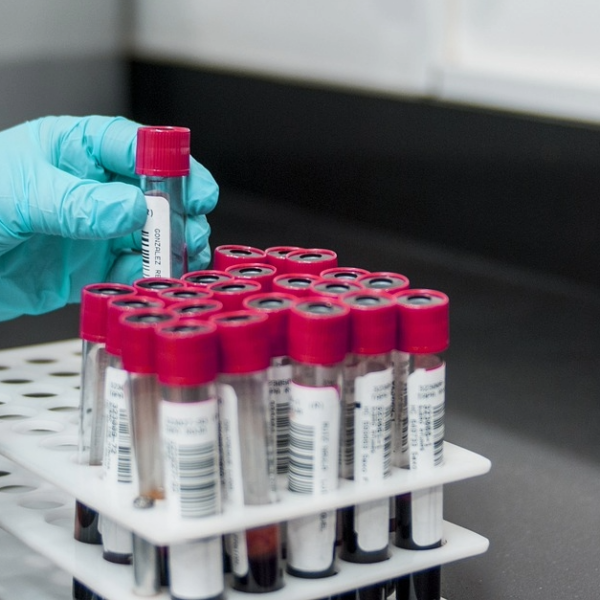
The project involves inviting 15,000 men between the ages of 55 and 65, residents of the ASL TO5 area, to be screened by having their blood drawn for prostate-specific antigen ( PSA) assay.
In the presence of a PSA value of 3 ng/ml or higher, subjects are initiated to the second-level investigations stipulated in the protocol, which include:
- urological examination;
- Risk assessment using AI-based algorithms;
- MRI of the prostate.
Only in cases where significant clinical suspicion emerges is prostate biopsy proposed, which is the gold standard of diagnosis.
Tertiary prevention and nutritional support
In the area of tertiary prevention, IRCCS Candiolo is about to launch a project dedicated to Dietary Prevention.
Adequate nutritional support is indeed crucial not only in primary prevention, but also for patients already undergoing treatment for oncological diseases.
There is ample evidence that proper nutrition helps improve the quality and life expectancy of cancer patients. Starting in February 2026, the Institute will activate personalized nutritional pathways, based on specialized protocols and structured dietary counseling, targeting all patients undergoing treatment.
The future of cancer prevention
Will a simple blood test be enough?
Looking to the future, one of the most promising prospects in cancer prevention is the development of liquid biopsy. The hypothesis behind this innovation is that, even in the early stages, some tumors release altered tumor DNA fragments into the blood, which can be detected by a simple blood test.
On this premise, so-called MCED (Multi Cancer Early Detection) tests, designed to detect multiple types of cancer early with a single blood draw, have been started in an experimental phase.
Preliminary results are encouraging, but further studies and validation are needed before these tests can be adopted as reliable and standardized screening tools.
If confirmed, the routine introduction of these technologies could represent a real breakthrough in cancer prevention, flanking-not replacing-the primary, secondary, and tertiary prevention strategies that are already essential today.